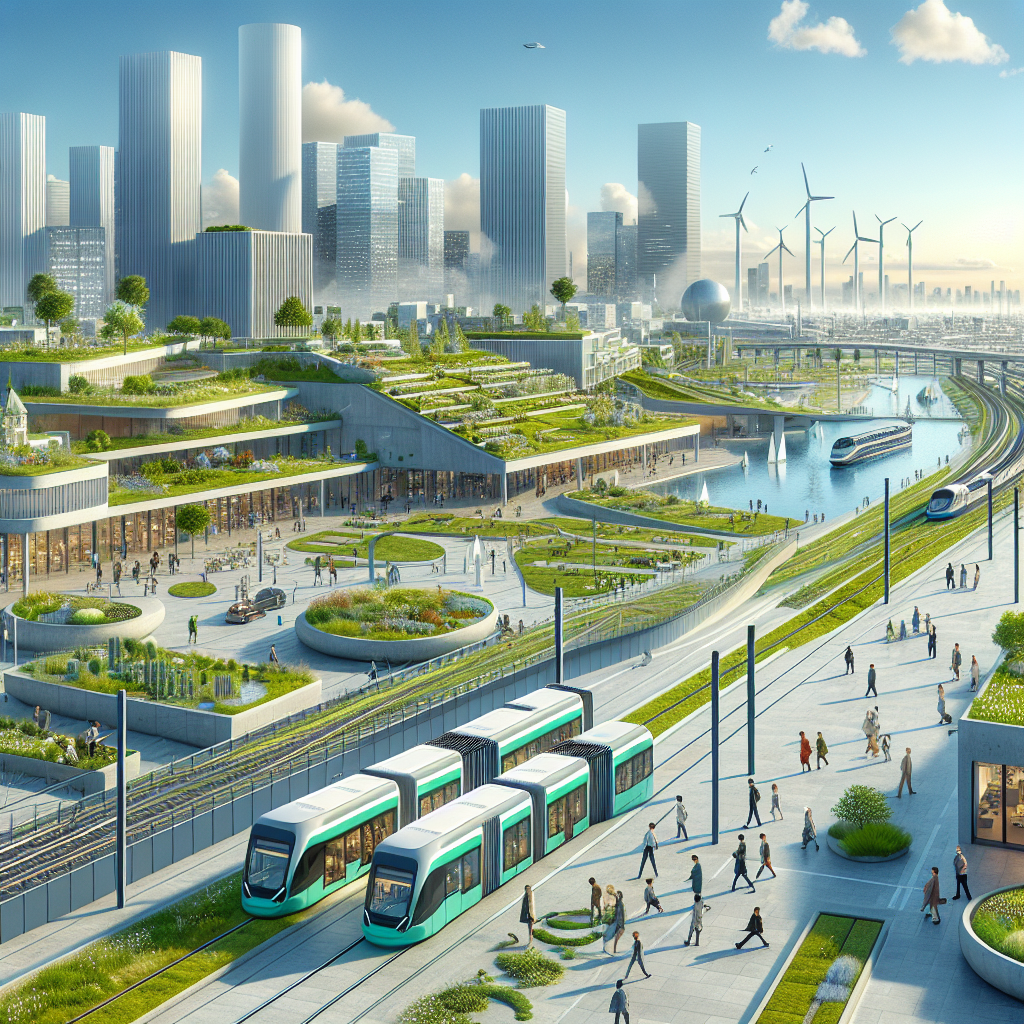
The employment landscape is poised for significant transformation by 2026, driven by evolving technologies, demographic shifts, and changing workforce expectations. Recent Employment Statistics indicate a reshaping of job markets, skill demands, and industry growth, suggesting trends that could redefine employment across various sectors.
Technological Advances and Job Creation
Technological innovation remains a driving force behind job creation and destruction. According to the latest Employment Statistics, sectors like information technology, healthcare, and renewable energy are on an upward trajectory, while traditional manufacturing jobs may face decline. Automation and artificial intelligence are transforming roles and creating demand for new skill sets, highlighting a need for workforce retraining and adaptation. This shift signifies that future employment will increasingly require digital literacy and technical skills, making education and vocational training crucial.
Demographic Changes Influencing Workforce Dynamics
The changing demographics of the global workforce will also play a pivotal role in shaping future employment trends. As the population ages, there is a growing demand for healthcare services. Employment Statistics reveal that by 2026, sectors catering to elderly care are expected to expand significantly. Furthermore, younger generations, including millennials and Generation Z, are driving change through their expectations for workplace culture, flexibility, and purpose-driven employment. This generational shift is prompting businesses to rethink their approaches to recruitment, retention, and employee engagement.
Global Economic Factors Impacting Employment Trends
The global economy continues to influence local employment markets, as seen through shifting trade policies and international relations. Factors such as globalization, economic recovery post-pandemic, and changes in immigration policies are reflected in current Employment Statistics. As countries navigate these issues, industries may experience volatility, resulting in job gains in some sectors and losses in others. Companies are urged to stay agile and responsive to these larger economic patterns to maintain competitive labor forces.
Conclusion: Preparing for the Future of Work
The future of employment by 2026 looks complex and interwoven with advancements in technology, shifts in demographics, and broader economic trends. As businesses and educational institutions respond to these changes, alignment with evolving Employment Statistics will be essential for fostering a skilled workforce. By prioritizing continuous learning and adaptability, stakeholders can ensure they are well-prepared for the challenges and opportunities that lie ahead.
Frequently Asked Questions about Employment Statistics
What do Employment Statistics indicate about job growth in emerging industries?
Employment Statistics suggest that emerging industries such as technology and renewable energy are showing robust job growth as demand for new skills rises.
How can businesses use Employment Statistics to enhance their hiring strategies?
Businesses can leverage Employment Statistics to identify trending skills and industries, allowing them to adapt their hiring strategies to attract the right talent.
Are Employment Statistics reflective of just national trends?
While Employment Statistics often focus on national trends, they can also provide insights into regional job markets and specific industry performance, offering a more localized view.
What major factors influence Employment Statistics?
Employment Statistics are influenced by a variety of factors, including economic conditions, technological advancements, demographic changes, and industry growth prospects.
How often are Employment Statistics updated, and where can they be found?
Employment Statistics are typically updated monthly or quarterly, with reliable sources including government labor departments and statistical agencies, providing current data on job markets.