As climate change accelerates, urban areas worldwide face increasing pressure to adjust their infrastructure and policies. Climate adaptation has emerged from niche projects to become a central focus of city planning and development. This shift reflects recognition of the urgent need to protect vulnerable populations and sustain economic growth amid environmental uncertainty.
Integrating climate adaptation into urban planning
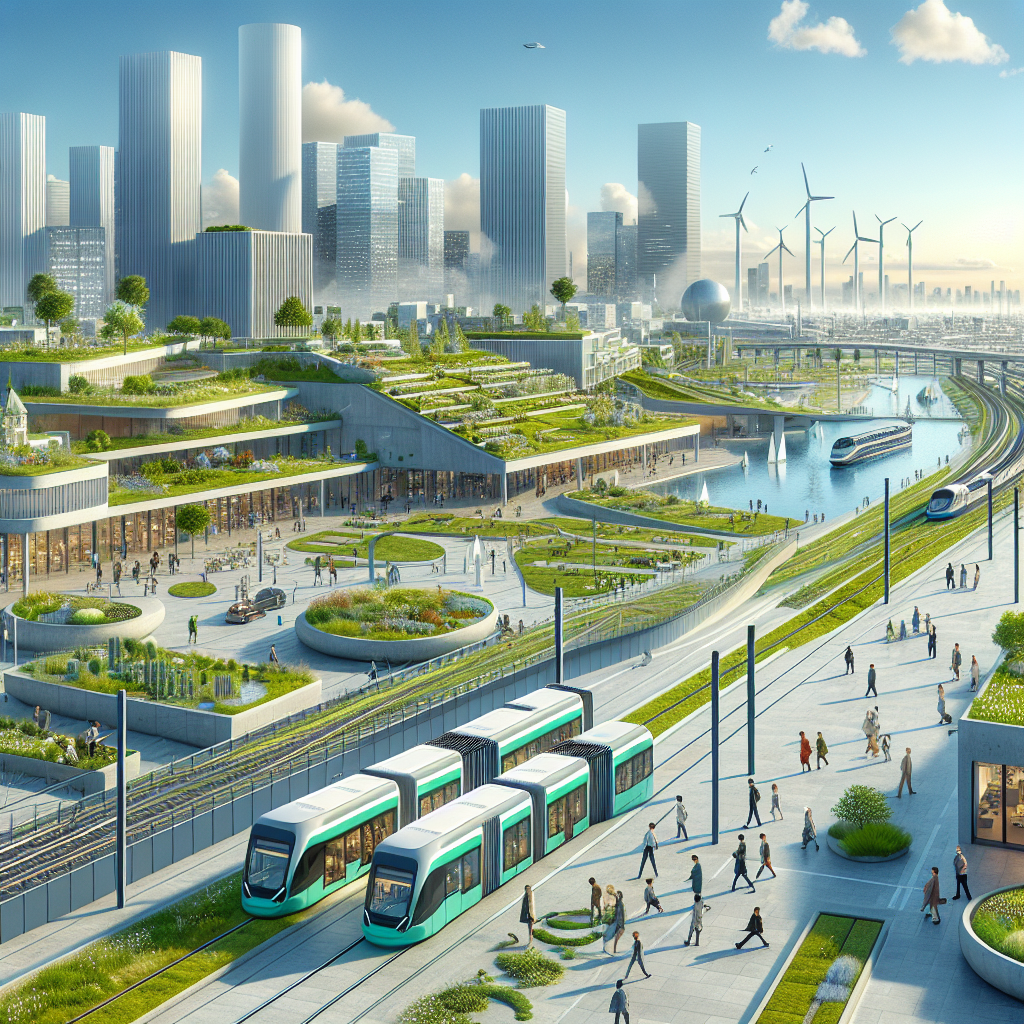
Previously treated as an auxiliary concern, climate adaptation is now embedded in urban planning processes. Cities are revising zoning laws, building codes, and land-use plans to incorporate climate risks such as flooding, heatwaves, and sea-level rise. For example, municipalities are prioritizing green infrastructure to enhance stormwater management and reduce urban heat islands. This marks a significant departure from reactive responses toward proactive, risk-informed urban design.
Leveraging technology and data for targeted climate adaptation
Advances in technologies such as geographic information systems (GIS), remote sensing, and climate modeling allow cities to identify vulnerable areas with greater precision. This data-driven approach guides investment in adaptation measures, ensuring resources are allocated efficiently. Digital platforms enable continuous monitoring and forecasting of climate events, strengthening preparedness and response capabilities across urban administrations.
Enhancing community engagement and equity considerations
Recent climate adaptation efforts emphasize inclusivity by involving local communities in decision-making processes. Ensuring that adaptation strategies address the needs of marginalized groups reduces social inequities exacerbated by climate impacts. Public awareness campaigns and participatory workshops help build resilience by fostering community ownership and encouraging sustainable behaviors.
Investing in resilient infrastructure and nature-based solutions
Cities increasingly invest in infrastructure designed to withstand climate stresses while promoting environmental co-benefits. Nature-based solutions such as urban forests, wetlands restoration, and permeable surfaces offer effective adaptation options that simultaneously enhance biodiversity and air quality. These interventions prove cost-effective over time by reducing damage from extreme weather and lowering maintenance expenses.
Securing financing and fostering partnerships for adaptation
Mobilizing funding remains a challenge for scaling climate adaptation, prompting cities to explore diversified financial models. Public-private partnerships and international cooperation play crucial roles in pooling resources and sharing expertise. For instance, some municipal governments access climate adaptation funds from global financial institutions and align their strategies with international frameworks to attract investments.
In conclusion, climate adaptation is fundamentally reshaping urban governance and infrastructure worldwide. Cities are moving beyond fragmented coping mechanisms towards integrated, equitable, and data-informed solutions that anticipate future risks. Continued innovation, collaboration, and investment are essential to sustain these advances and enhance urban resilience amid evolving climate challenges. Given current trends, the coming years will likely witness further mainstreaming of climate adaptation in metropolitan development globally.
Frequently Asked Questions about climate adaptation
What is climate adaptation in urban contexts?
Climate adaptation in urban contexts involves adjustments in policies, infrastructure, and practices to reduce risks from climate impacts such as floods, heatwaves, and storms.
How are cities implementing climate adaptation strategies?
Cities implement climate adaptation through measures like updating building codes, investing in resilient infrastructure, employing green spaces, and engaging communities in planning.
Why is community involvement important for climate adaptation?
Community involvement ensures that climate adaptation efforts address all residents’ needs, particularly vulnerable groups, leading to more equitable and effective solutions.
What role do technology and data play in climate adaptation?
Technology and data provide critical insights for identifying high-risk areas, monitoring climate impacts, and optimizing adaptation investments to increase efficiency and effectiveness.
How do cities finance climate adaptation projects?
Cities finance climate adaptation through a mix of municipal budgets, public-private partnerships, grants from global climate funds, and international collaborations.